Description of the project
Pan European Commission on Photoantimicrobial Testing
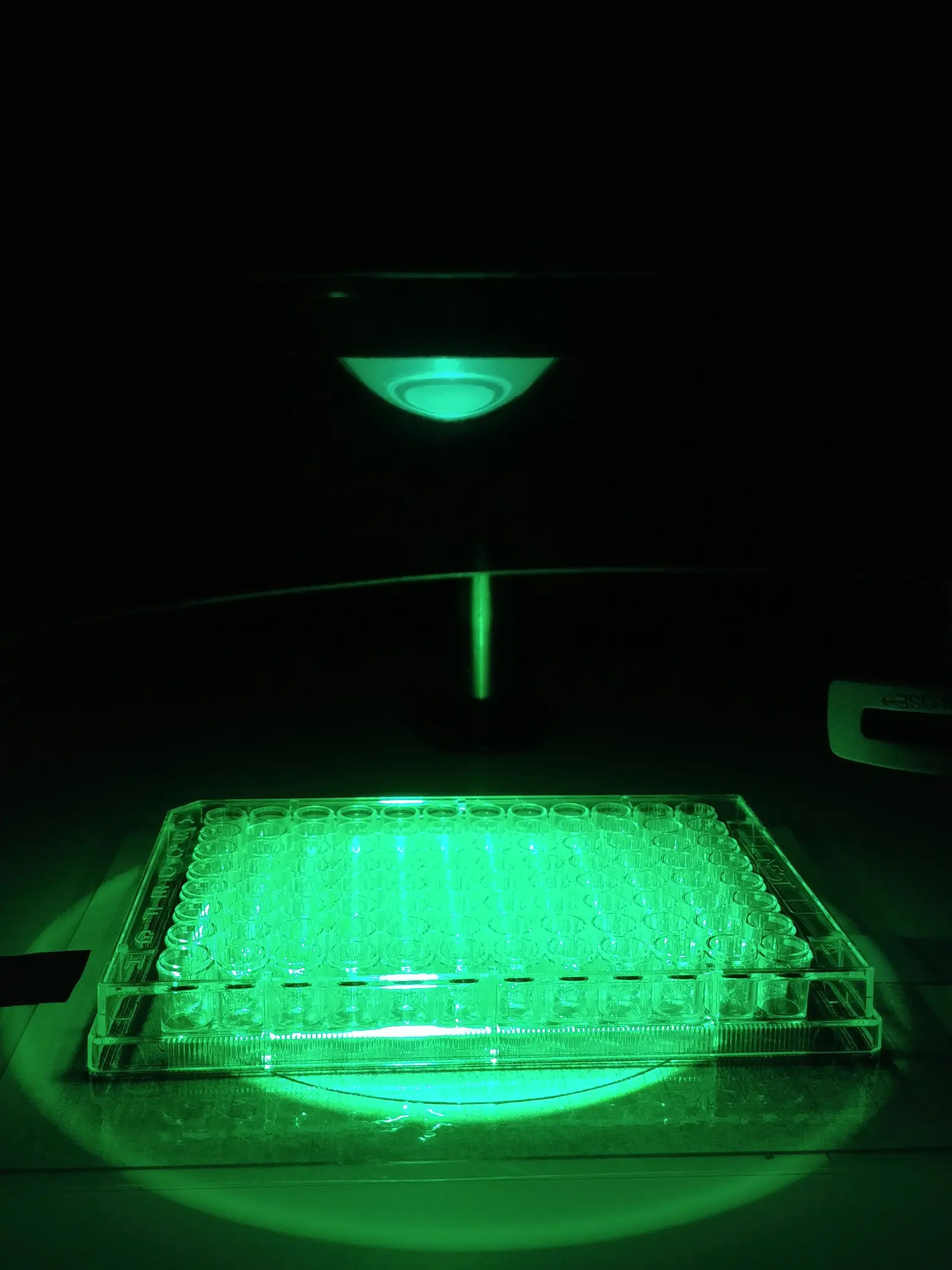
Drug discovery, followed by preclinical and clinical testing, is a prerequisite for any new medicine. Approximately 15,000 new chemical entities are tested for each marketed drug. In vitro and in vivo drug discovery screens are therefore essential to provide robust, internationally standardised, and comparable data that can be used in hit-to-lead approaches.
Currently, novel antimicrobial strategies are needed, as newly approved antibacterial drugs have limited innovation and thus restricted clinical benefit over existing treatments. Photodynamic inhibition (PDI) therapy -utilizing the synergistic effect of drugs and light is such an innovative broad-spectrum approach according to WHO criteria. Promising in vitro and in vivo studies show the potential, but PDI treatments are not recognised by pharmaceutical companies and are rarely part of university curricula. As a result, PDIs suffer from low awareness and high levels of scepticism. In addition, preclinical results from the community are difficult to compare due to a lack of standardised protocols.
PanEuCOPT, as a pan-European initiative, aims to bring together the leading European photobiologist with their medical colleagues and pharmaceutical as well as technical companies to generate a united force allowing the implementation of photodynamic inhibition. The COST action PanEuCOPT is planned over four years and is based on four pillars. PanEuCOPT will realize in an agile manner i) standardized testing protocols, ii) irritation device guidelines, iii) education, and iv) terminology. The vision of PanEuCOPT is pushing the PDI towards clinical studies/ EMA approvals so that a functional alternative to the prescription of classic antibiotics can be established.
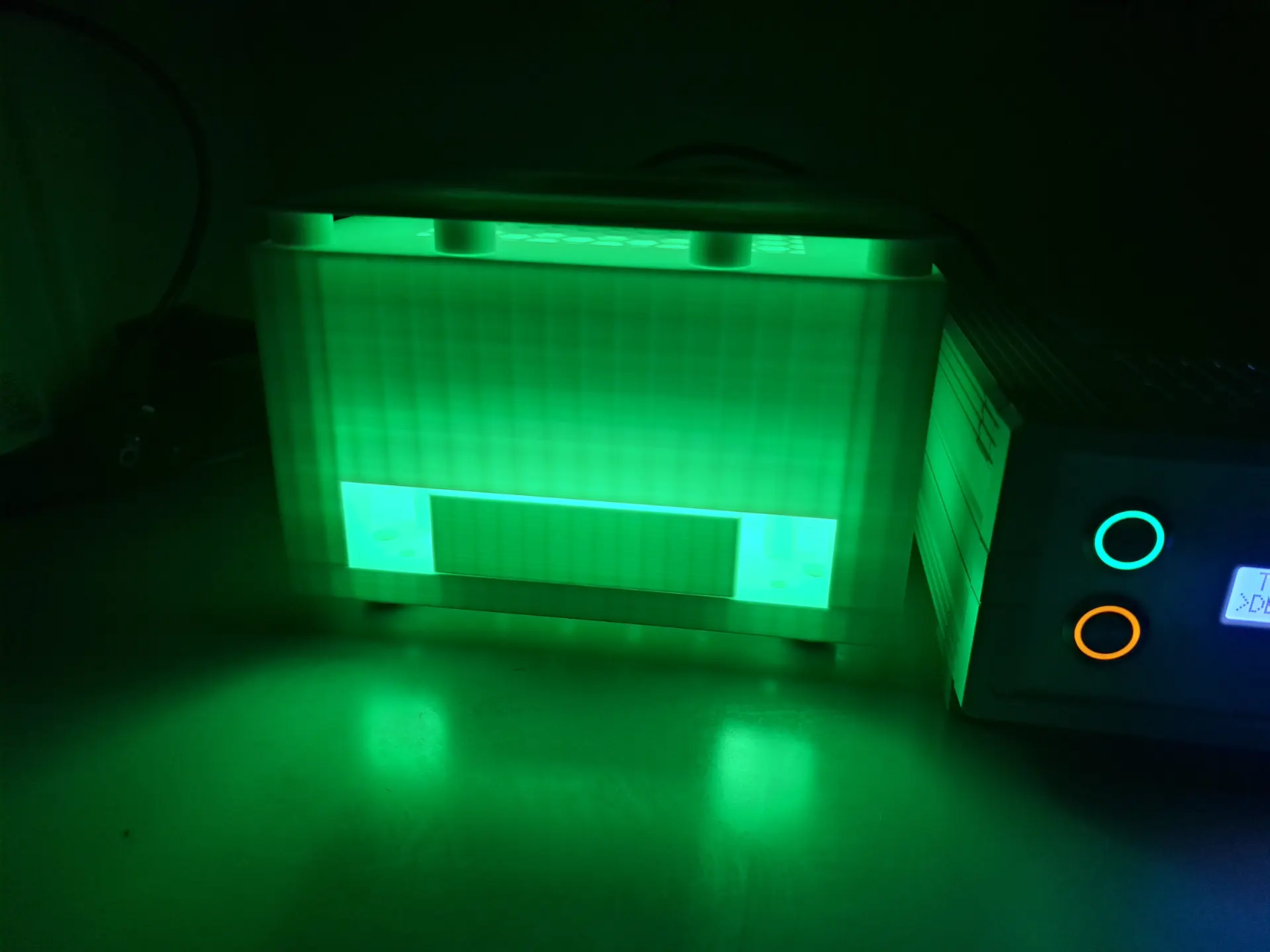
Backgrounds
Scientific Background of Photoantimicrobial Technologies
Photodynamic therapy (PDI) requires the simultaneous use of a chromophore molecule, called photosensitizer (PS), oxygen, and light. Upon light irradiation, the PS produces reactive oxygen species (ROS), which have high reactivity and are able to oxidize biomacromolecules as lipids, proteins, DNA and other small molecules. This renders PDI a deadly strategy against all types of microorganisms: bacteria, fungi, viruses and parasites. As the effect of PDI relies on the presence of light on the sample, it has a security level that allows to avoid toxicity to the host, resistance spread, while ensuring microbial eradication. PDI has strong potential on several fields:
- Medical applications: infection eradication and disinfection of wounds, avoiding toxicity to the host
- Dentistry applications: Widely used in certain countries as Brasil, it treats mouth and teeth infection, controlling plaque and infections
- Agronomy applications: Use of PS to control pests, using solar light
- Veterinary applications: similar to medical, but for cattle
- Food security applications: use of intelligent packings/coatings to improve the shelf life of produce and/or increase the safety of food processes
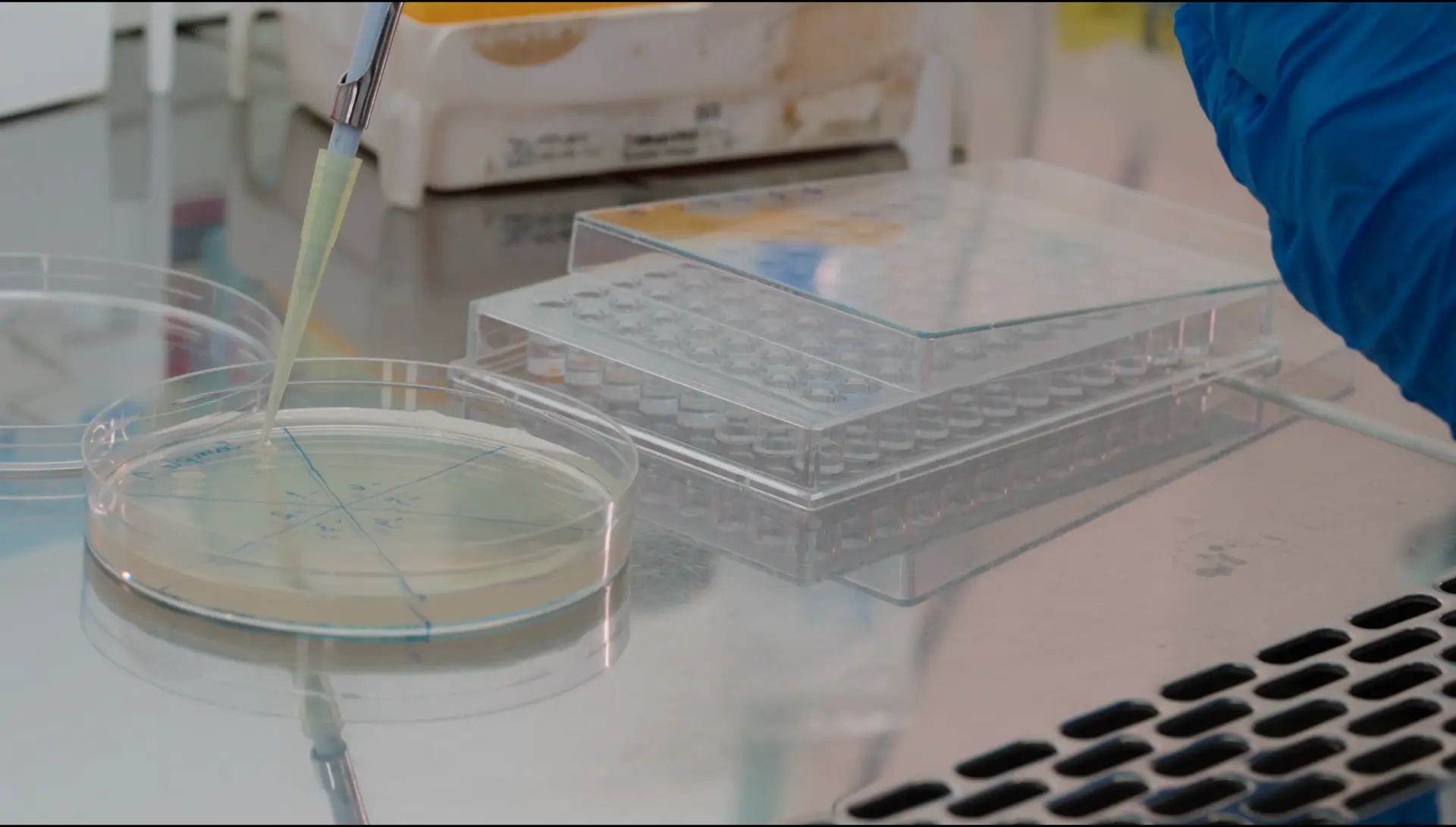
Objectives
Rationale and Objectives of Photoantimicrobial Standardisation
The main aim of the Action is to unify the fragmented field of photoantimicrobial technologies by standardizing terminology, education, and testing methods. Addressing confusion, ignorance, and inconsistency is essential to establish photoantimicrobials as a recognized discipline and enable their effective adoption across healthcare, veterinary, and environmental sectors. This will be achieved through the specific objectives:
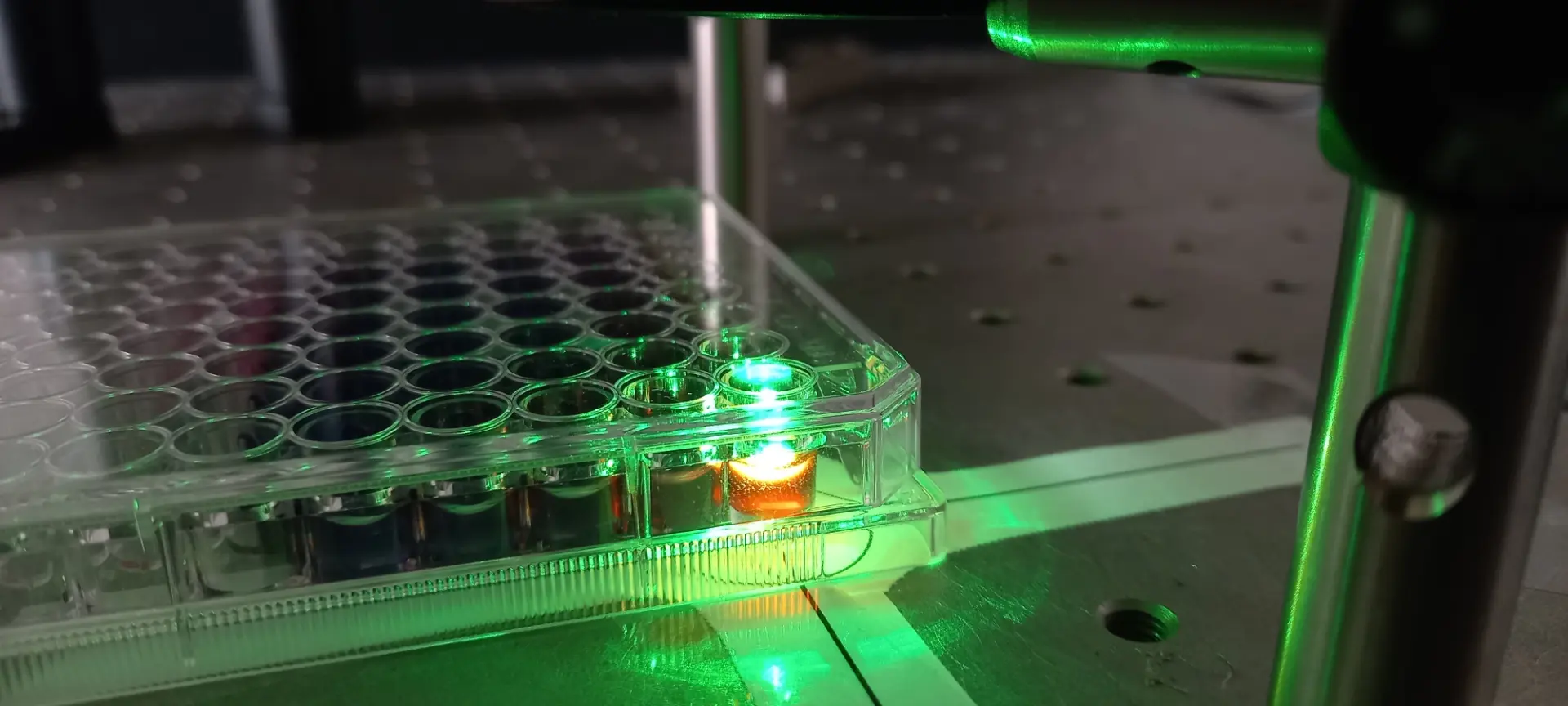
- i) defining terms
- ii) nurture education
- iii) provide standard operating procedures
- iv) provide illumination guidelines
- v) secure the dissemination